Your Award Winning Digital Marketing Agency in Brisbane
Digital Marketing to Help Your Business Grow
Oceania Marketing Group is a digital marketing agency and strategic digital marketing consultancy based in Moreton Bay, Brisbane, helping businesses across Queensland and Australia cut through the noise and grow with confidence.
We work with business owners and leadership teams who are done with marketing that doesn't deliver. Our senior-level team builds custom strategies and executes them end-to-end, so you get real results you can measure, not just reports that look good.
Whether you need a full digital marketing strategy, hands-on campaign management, or a Fractional CMO to lead from the front - we bring the expertise without the overhead.
Our services include: SEO & AI Marketing · Digital Ads · Social Media Marketing · Fractional CMO · Email Marketing & Funnels · Website & Landing Page Design · Marketing & Brand Consultancy · Ecommerce Marketing
Located in Moreton Bay, Brisbane.
Serving businesses locally, nationally, and beyond.
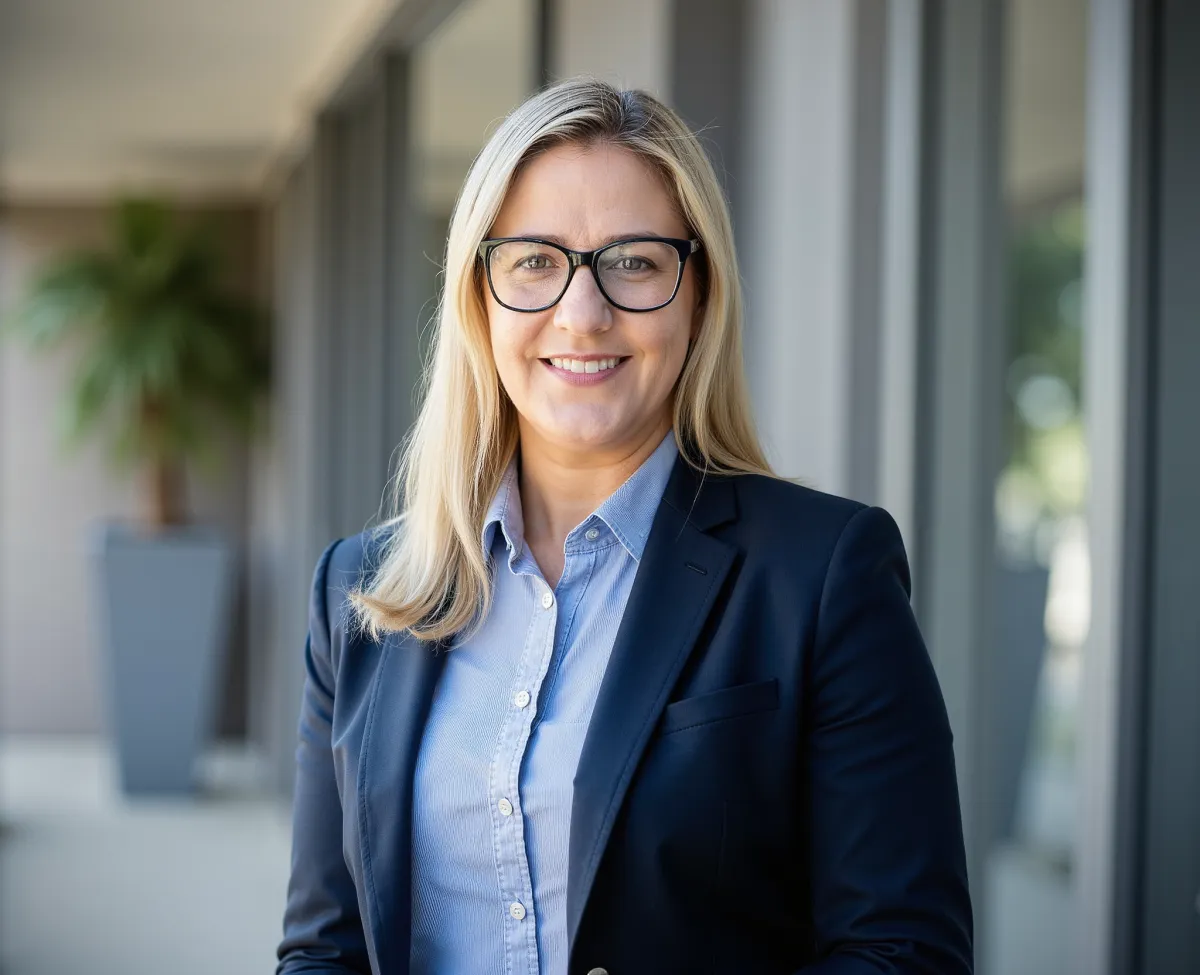
Get your FREE 30-minute Digital Strategy Consult
Need some direction on digital strategy? Get in touch
Our DIGITAL MARKETING services
Strategic Marketing Services Designed for Growth in the Digital Age
At Oceania Marketing Group, we don’t just offer marketing - we deliver strategic, data-led solutions that drive real business results. From marketing transformation to AI integration, our expert consultancy services are tailored to help ambitious organisations grow, evolve, and lead.
Whether you need a comprehensive marketing roadmap, support with digital performance, or guidance through AI adoption, we provide senior-level expertise and customised strategies to suit your goals - and your budget.

Fractional CMO Services
Gain expert marketing leadership without the overhead. Oceania delivers data-driven strategy, clarity, and growth- perfect for scaling businesses ready to lead, not follow.

Digital Ads (Google, Meta, TikTok)
Oceania Marketing Group delivers high-performance digital advertising across Meta, TikTok, Pinterest, Google and LinkedIn, using smart targeting and continuous optimisation to drive leads, sales and scalable growth.

SEO, GEO & AI Marketing
Be found by people and machines. Oceania’s AI-powered SEO strategies ensure your brand ranks, resonates, and remains relevant in an ever-evolving digital landscape

Email Marketing & Marketing Automation
We'll help you create and execute successful automated SMS & email marketing campaigns that drive conversions.

Website & Landing Page Design
Convert more customers and capture leads with our website design and landing page services.

Digital Strategy Coaching
Our digital strategy coaching helps you clarify your vision, build effective funnels, and execute campaigns with measurable results. With tailored guidance and practical frameworks, we turn complexity into clarity and strategy into growth.

Ecommerce Digital Marketing
Help online stores scale profitably. ECommerce optimisation and digital marketing through SEO, Meta, TikTok, Google Ads and Google Shopping to drive traffic and conversions. Oceania is a certified Shopify Partner.

Social Media Marketing
Our social media expertise will help you develop a strong online presence and engage with your audience with expertise in paid social media advertising as well as organic social media to grow your brand presence.

Marketing, Digital & Brand Consultancy
Marketing strategy guidance that delivers measurable results to help you optimise your marketing efforts and achieve business growth.
About Oceania Marketing Group
Oceania Marketing Group is a Brisbane-based digital marketing agency and marketing consultancy helping businesses across Queensland and Australia grow - with a digital strategy that's clear, measurable and built around your goals.
We work with business owners who are tired of paying for marketing they can't measure. Our approach is simple: understand your business, build the right strategy, execute it properly, and show you exactly what it's delivering.
Award-Winning Digital Marketing
Led by Karen Lewis, a senior marketing professional with over two decades of experience across complex industries, we bring genuine expertise to every client engagement, regardless of your size or budget.
We specialise in working with businesses in financial services, NDIS, healthcare and government sectors where marketing has to be accurate, compliant and effective. But our clients also include trade businesses, ecommerce stores, professional services firms and local Brisbane and Moreton Bay businesses ready to grow.
If your marketing isn't working, or you're not sure whether it is, we're the team to call.
Let's grow your business together
AWARD WINNING MARKETING
Book a free 30-minute strategy consultation. No obligation, no sales pitch - just clear, senior-level thinking applied to your specific growth challenges.
Google Partner | Meta Business Partner | Shopify Partner | Surfer AIO Certified
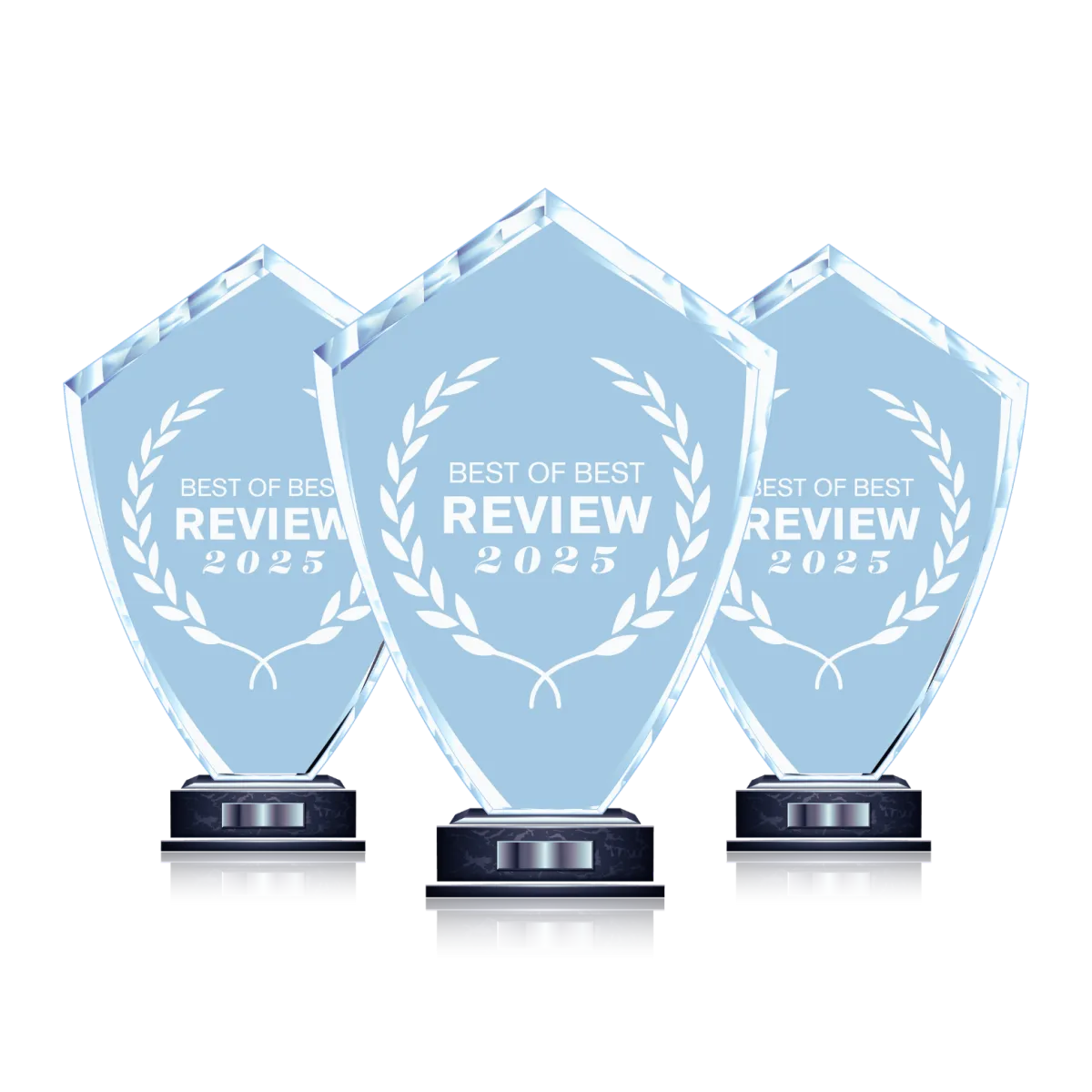
2025 - Best of Best Review
Best Digital Marketing Agency in Australia
Independently evaluated and named Australia's best digital marketing agency across the entire country. A result earned through client outcomes, senior expertise and a refusal to settle for average.
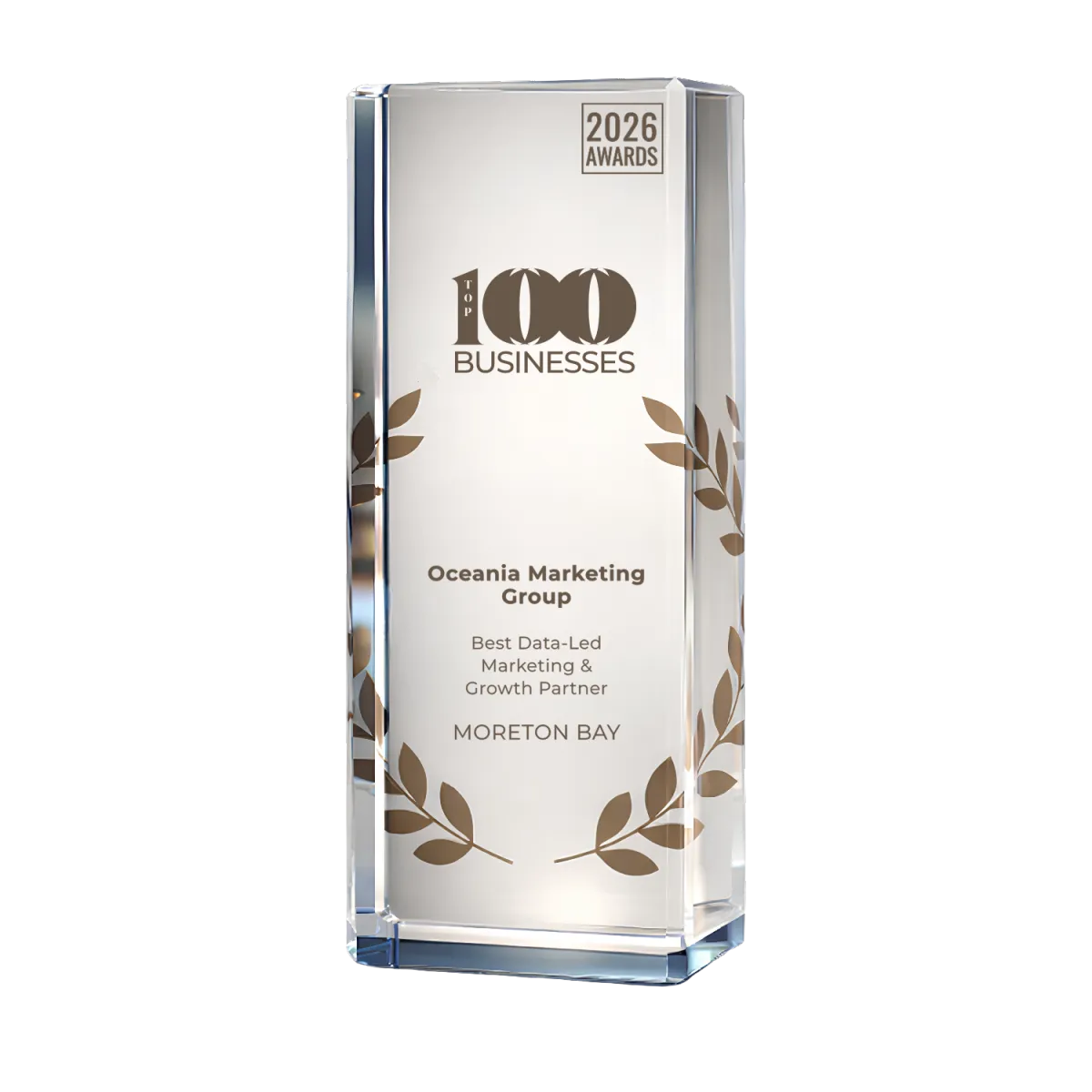
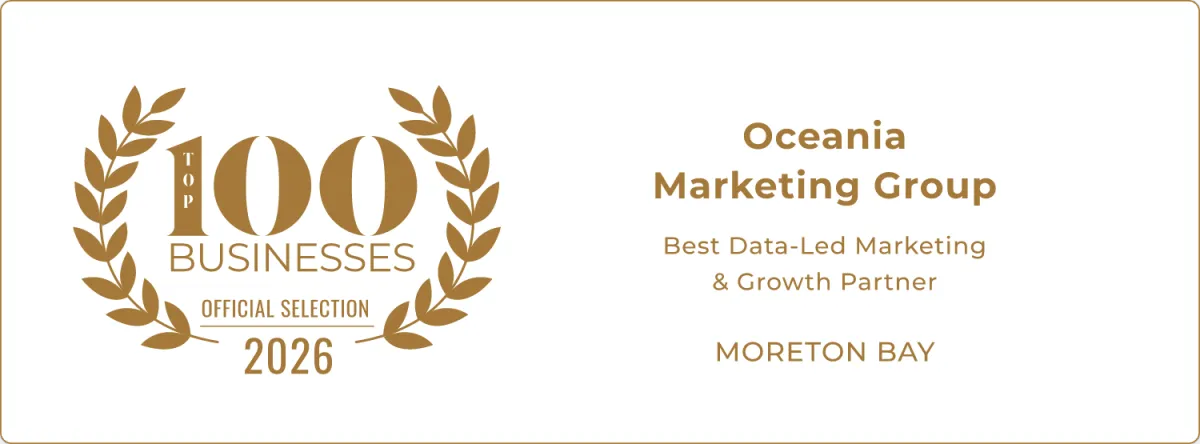
2026 - Top 100 Businesses
Best Data-Led Marketing & Growth Partner Moreton Bay
Recognised among the top 100 businesses in Moreton Bay for delivering marketing that moves the needle. This award reflects our commitment to strategy built on data, not guesswork.
AS SEEN ON

Case Studies
Digital Marketing That Delivers Results You Can Actually See
At Oceania Marketing Group, we don't just run campaigns - we build marketing that actually works for your business. Every strategy we create is built around your specific goals, your budget, and what your customers actually respond to.
No fluff. No jargon. Just marketing you can measure
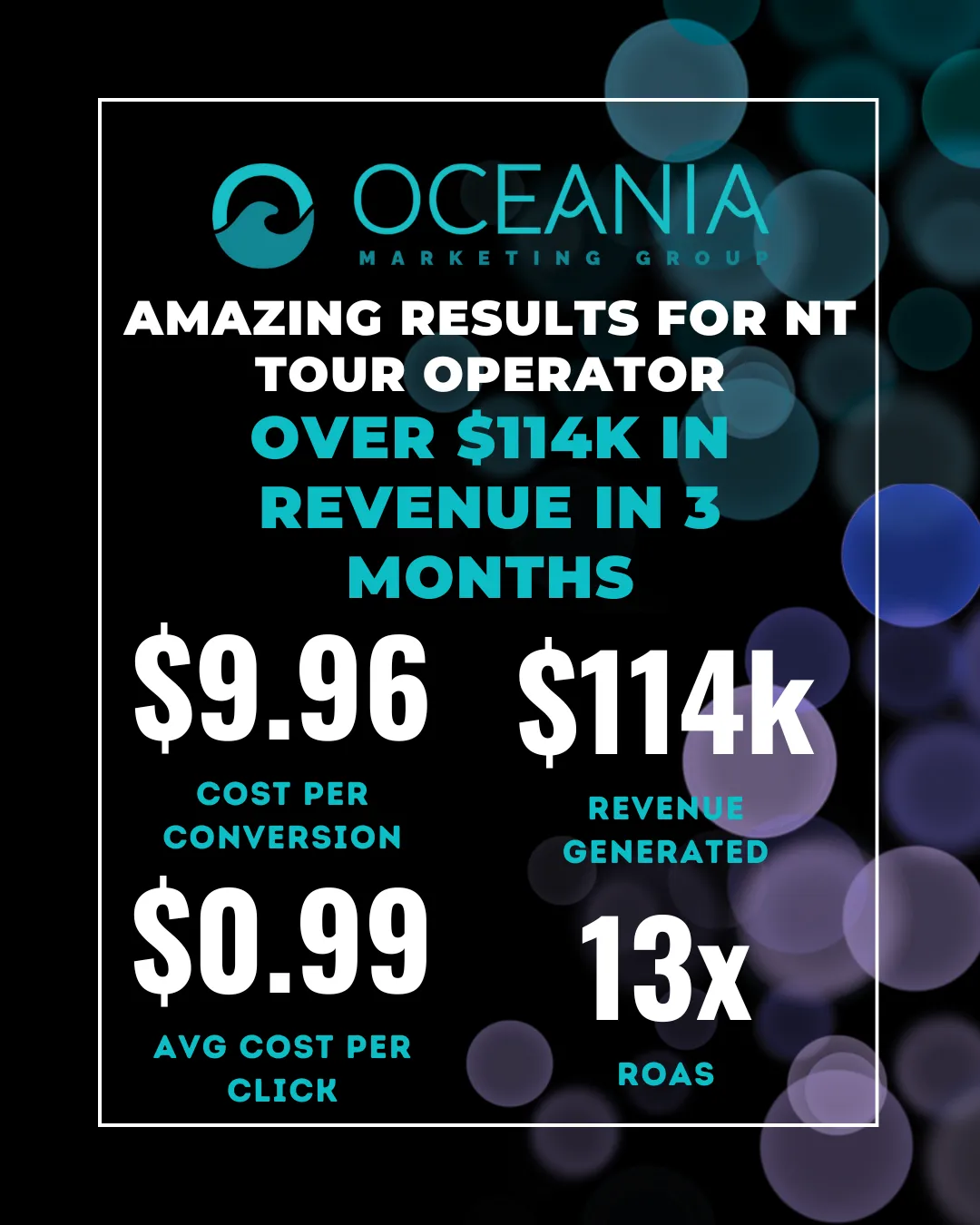
Google Ads - Tourism
13.19x Return on Adspend
NT Tour Operator · 90-day Google Ads campaign
$114,000 in revenue from $8,000 in ad spend. $9.96 cost per conversion at a 10% conversion rate
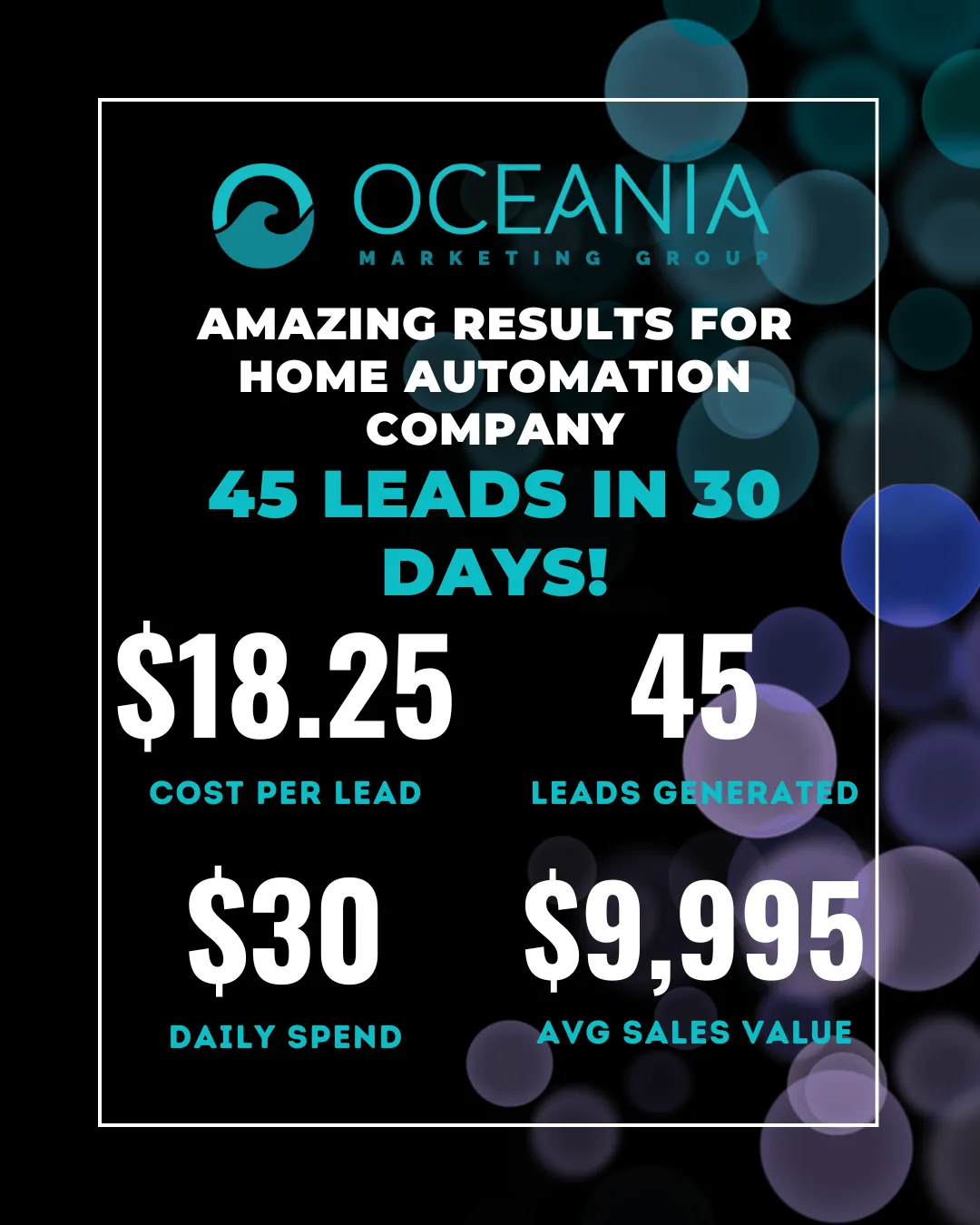
Meta Ads · High Ticket
$18.25 Cost Per Lead
Home Automation Company · Meta Ads
45 quality leads on a $9,995 product - potential 11x return on ad spend.
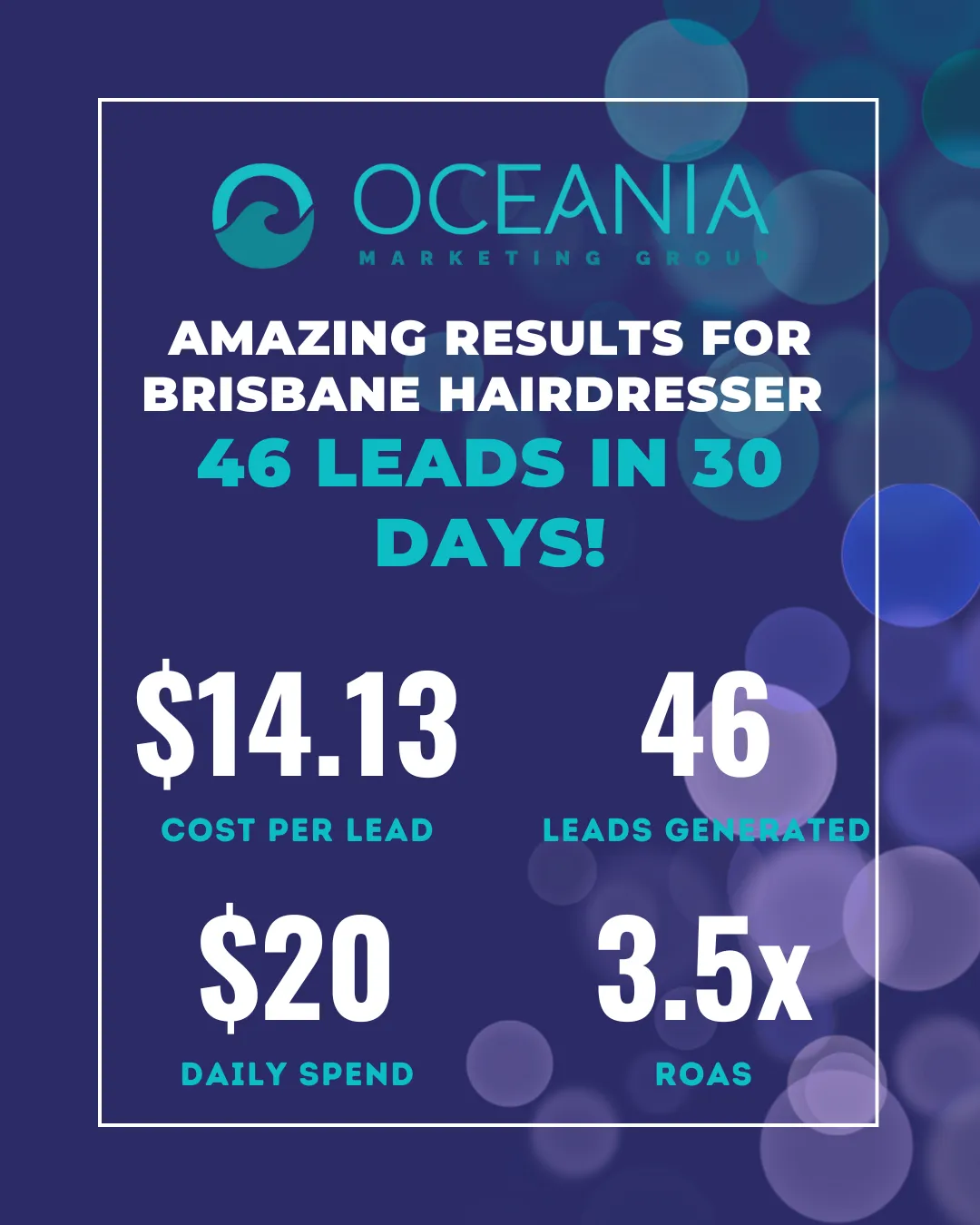
Meta Ads - Brisbane Hairdresser
46 Leads in 30 Days
Brisbane Hairdresser · Meta Ads campaign
$14.13 cost per lead on just $20 a day in ad spend. 3.5x return on ad spend.
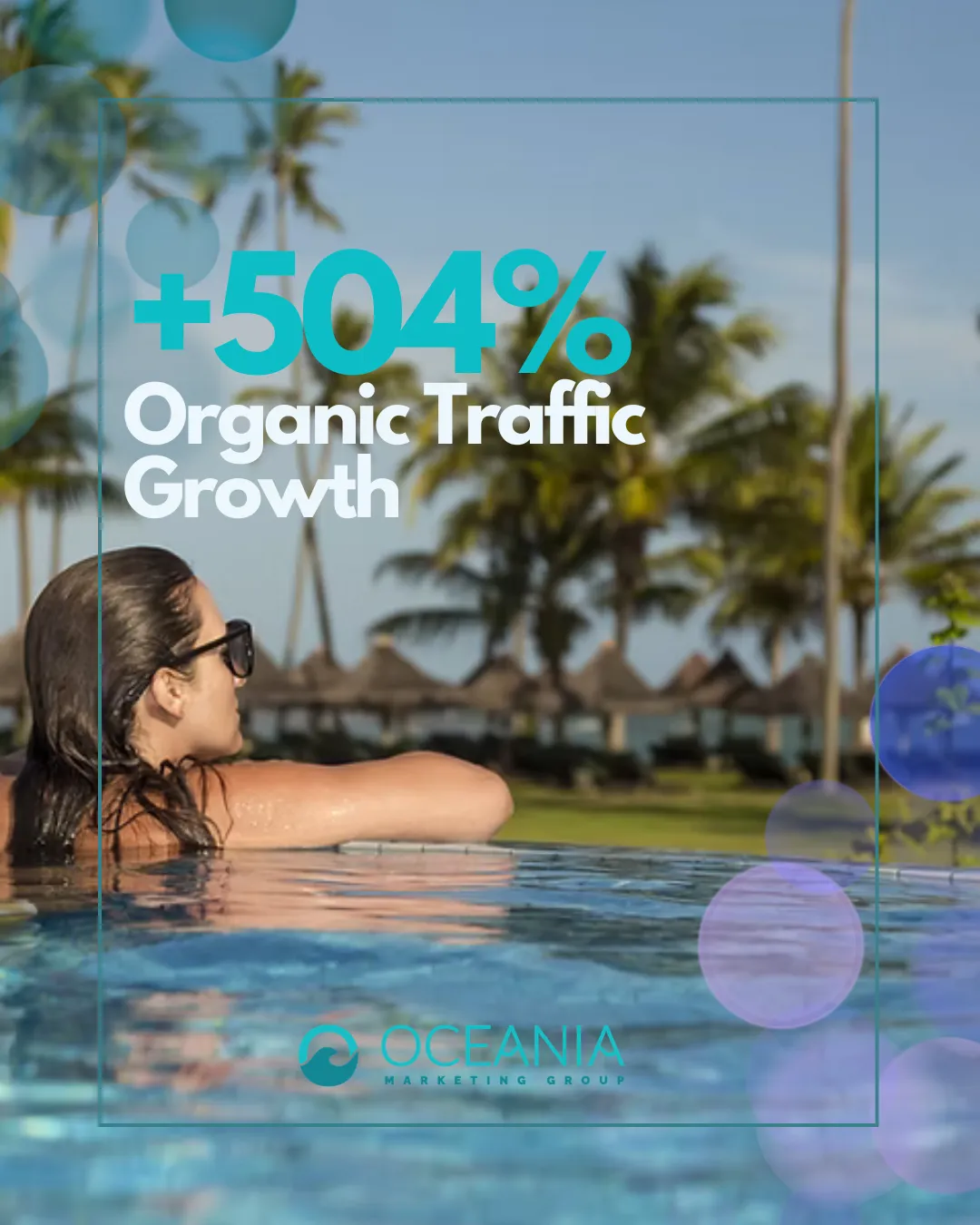
SEO & ECommerce
+ 504% Organic Traffic Growth
National Swimming Pool Retailer · SEO & Content
Year-on-year organic blog traffic growth. +144% total traffic. +146% new users.
Trusted By Our Clients
HOW WE WORK AT OCEANIA MARKETING GROUP
Marketing you can measure
/01
Initial Consult
We start by getting to know your business and goals, then develop a customised marketing plan tailored to your needs.
/02 Marketing Plan & Execution
We design and develop your marketing plan based. We execute your marketing plan with precision and monitor results to ensure success.
/03
Optimisation
Continuous optimisation of your campaigns to ensure we are achieving the best results and that your campaigns are running effectively and efficiently.
/04 Reporting & Ongoing Support
Proven results you can measure, we provide detailed reports and analytics to help you gain a better understanding of your campaigns’ performance.
Latest Blog Posts
Our blog covers what's actually working in digital marketing right now - AI search, TGA and ASIC compliance, platform reviews and growth strategy for Australian businesses. Written for business owners who want clear answers and senior-level thinking, not generic tips. No fluff, no filler.
AI Text Watermarks Explained: What Claude, Gemini & ChatGPT Changes Mean for Your Business
Claude, Gemini and soon ChatGPT are watermarking AI text. A balanced look at what it actually does, why removal tools appeared within days, and what businesses need to know. ...more
Technology ,AI
August 20, 2026•9 min read
SEO Consultant or SEO Agency: Which One You Actually Need
SEO consultant or SEO agency? The difference, which one suits your business, and why AI search has raised the bar for strategic SEO thinking in 2026. ...more
SEO & GEO ,SEO
August 11, 2026•3 min read
When Does a Queensland SME Need a Fractional CMO?
The signs a Queensland SME needs a fractional CMO, how it compares to a full time hire, agency or consultant, and how to decide if it is right for you. ...more
Fractional CMO
July 31, 2026•3 min read
Digital Marketing for NDIS Providers in Queensland
How NDIS providers in Queensland can market compliantly and get found: local SEO, AI search, paid ads within the rules, and content that builds trust. ...more
Digital Marketing ,Marketing and Communications
July 30, 2026•3 min read
AI Search Optimisation in Australia
AEO, GEO, answer engine optimisation, AI Overviews - How to make sense of it and get your website visible in AI ...more
SEO & GEO ,AI &SEO
July 27, 2026•6 min read
How NDIS providers can grow referrals without breaching the rules
How NDIS providers can grow referrals compliantly: why referral fees are off limits, the rules for support coordinators, and what works instead. ...more
Digital Marketing ,Marketing and Communications
July 21, 2026•4 min read
Want to work with us? Get In Touch


Award-winning Digital Marketing Agency Brisbane
QUICK LINKS
REACH US
Burpengary, Moreton Bay, Queensland 4505
LEGAL
WE LOVE BEING SOCIAL - FOLLOW US





Copyright © 2026. Oceania Marketing Group . All rights reserved.
ABN 52 670 680 458 | ACN 670 680 458
Oceania Marketing™ and the Oceania Marketing Group logo are trade marks of Oceania Marketing Group Pty Ltd (ACN 670 680 458).